
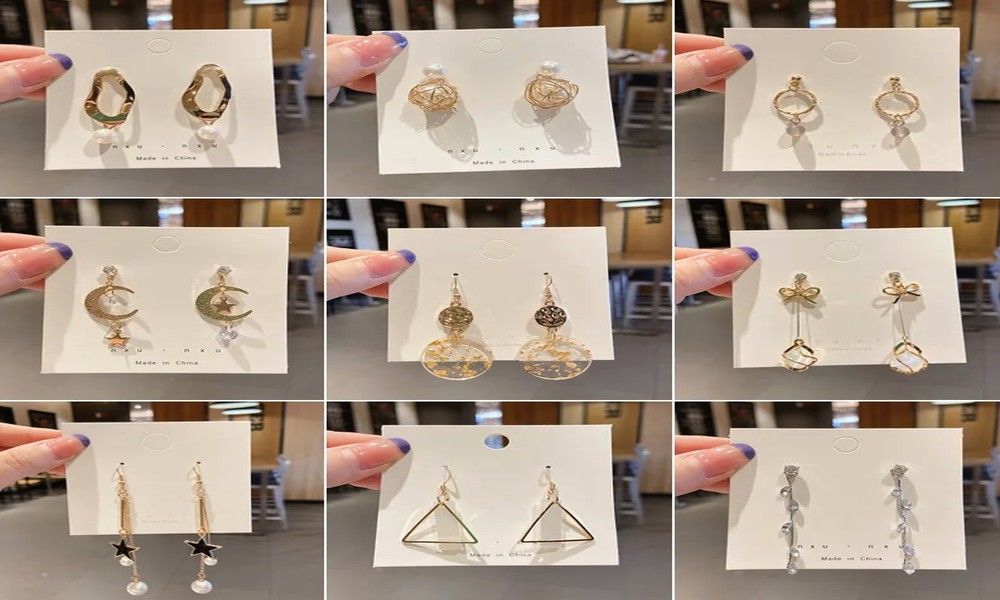
For boutique owners and online retailers, the supply chain is the backbone of the business. Every middleman between the manufacturer and your storefront adds a markup, reducing your profit margins and limiting your ability to offer competitive pricing. This is why sourcing factory-direct jewelry has become a critical strategy for modern retail success. By cutting out domestic distributors and wholesalers, you gain access to better pricing, faster trend adoption, and greater control over your inventory.
However, navigating the world of factory-direct sourcing can be intimidating. It involves understanding international logistics, evaluating manufacturing quality, and managing communication across different time zones. This comprehensive guide will explain what factory-direct jewelry is, why it is essential for your business, and how to successfully implement this sourcing strategy using platforms like Nihaojewelry.
What Is Factory-Direct Jewelry?
Factory-direct jewelry refers to products purchased straight from the manufacturer or through a platform that aggregates factory inventory, without passing through multiple layers of domestic distributors, regional wholesalers, or import agents.
In a traditional retail model, a piece of jewelry might be produced in a factory, sold to an export agent, shipped to a domestic distributor, sold to a regional wholesaler, and finally purchased by a boutique owner. Each step in this chain adds a percentage to the cost. Factory-direct sourcing eliminates these intermediate steps. You are buying the product as close to the source of production as possible. Platforms like Nihaojewelry facilitate this by connecting retailers directly with the vast manufacturing capabilities of overseas factories, offering a streamlined, one-stop shopping experience.
Why Should You Source Factory-Direct Jewelry?
The benefits of sourcing directly from the factory extend far beyond simple cost savings. It fundamentally changes how you can operate and scale your jewelry business.
1. Maximizing Profit Margins
The most obvious advantage is the significant reduction in the cost of goods sold (COGS). By eliminating middleman markups, you can purchase high-quality pieces-such as 18K gold PVD-coated stainless steel rings or 925 sterling silver necklaces-at a fraction of the price you would pay a domestic wholesaler. This lower cost basis allows you to either increase your profit margins or offer more competitive retail pricing to attract a larger customer base.
2. Faster Access to Emerging Trends
Fashion trends move at lightning speed, often driven by viral social media moments. Traditional supply chains can take months to design, produce, and distribute new styles. Factory-direct sourcing drastically reduces this lead time. Factories are constantly producing new designs based on real-time market data. By sourcing directly, you can have the latest trends in your store weeks or even months before your competitors who rely on traditional distributors.
3. Greater Control Over Quality and Materials
When you buy from a domestic wholesaler, you often have limited information about where and how the jewelry was made. Sourcing factory-direct allows for greater transparency. You can select suppliers that clearly specify their materials, such as distinguishing between 304 and 316L stainless steel, or detailing the exact thickness of their gold plating. This knowledge empowers you to write accurate product descriptions and build trust with your customers.
How to Source Factory-Direct Jewelry Successfully
Transitioning to a factory-direct sourcing model requires a strategic approach. Here is a step-by-step guide to making the process work for your boutique.
1. Choose the Right Sourcing Platform
While you can attempt to contact individual factories directly, this is often impractical for small businesses due to high minimum order quantities (MOQs) and communication barriers. Utilizing a comprehensive wholesale platform like Nihaojewelry is a more efficient approach. These platforms aggregate products from hundreds of vetted factories, providing a massive catalog with the convenience of a single checkout process and standardized shipping.
2. Evaluate Supplier Transparency
When browsing factory-direct listings, prioritize transparency. A reliable listing will provide detailed specifications about the product. Look for clear information on the base metal, the plating process, the dimensions, and the weight. If a listing uses vague terms like “fashion metal” without specifying the alloy, it is best to look elsewhere. Detailed specifications are a strong indicator of a factory that stands behind its manufacturing quality.
3. Start with Sample Orders
One of the greatest advantages of modern factory-direct platforms is the ability to place small orders. Before committing to a large volume of a new style, order a few pieces as samples. This allows you to physically inspect the quality, test the durability of the plating, and verify the sizing. Once you are satisfied with the sample, you can confidently place a larger restock order.
Adapting Your Approach in Different Scenarios
Different business models and product categories require different sourcing strategies. Here is how to adapt your factory-direct approach based on your specific needs.
1. Launching a New Boutique
Start broad but shallow. Use the no-MOQ advantage of factory-direct platforms to order a wide variety of styles-from minimalist stainless steel basics to bold statement earrings-in very small quantities (1-3 pieces each). This allows you to test what resonates with your target audience without tying up your capital in unproven inventory.
2. Scaling a Proven Bestseller
Once a specific item, such as a waterproof signet ring, proves to be a consistent seller, shift your strategy. Increase your order volume for that specific SKU to take advantage of tiered bulk discounts offered by the factory. This maximizes your profit margin on the items you know will sell.
3. Sourcing for Seasonal Collections
For seasonal items, such as summer anklets or holiday-themed pendants, timing is critical. Place your factory-direct orders well in advance of the season to account for international shipping times. Monitor the initial sales closely; if a seasonal item takes off, place a rapid restock order immediately to capture the peak demand.
Troubleshooting Common Sourcing Challenges
Even with the best platforms, international sourcing can present challenges. Being prepared to handle these issues ensures your business runs smoothly.
|
Challenge |
Potential Cause |
Actionable Solution |
|---|---|---|
|
Inconsistent Plating Color |
Batch variance at the factory level. |
Order samples from new batches before placing large orders. Stick to suppliers with proven consistency. |
|
Unexpected Customs Delays |
Missing documentation or random inspections. |
Utilize DDP (Delivered Duty Paid) shipping options when available, where the platform handles customs clearance. |
|
Sizing Discrepancies |
Differences between international and local sizing standards. |
Always refer to the exact millimeter measurements provided in the listing rather than generic size labels (e.g., “Size 7”). |
|
High Shipping Costs |
Ordering heavy items in small quantities. |
Consolidate your orders. Group lightweight items (like earrings) with heavier items to optimize the shipping cost per unit. |
The Importance of Quality Control in Factory-Direct Sourcing
When you bypass domestic distributors, you also bypass their quality control (QC) processes. This means the responsibility for QC falls entirely on you. Implementing a rigorous inspection routine upon receiving your factory-direct shipments is vital.
Inspecting the Finish and Hardware
Upon unboxing, examine the plating of each piece under bright light. Look for any unevenness, bubbling, or scratches. Test all moving parts-open and close the clasps on necklaces, check the hinges on cuff bracelets, and ensure earring posts are straight and secure. Catching these issues before the jewelry reaches your sales floor protects your brand’s reputation.
Managing Customer Expectations
Even with strict QC, fashion jewelry has a lifespan. Manage your customers’ expectations by providing clear care instructions. Educate them on the difference between waterproof stainless steel and standard alloy pieces. By being transparent about the materials and proper care, you reduce the likelihood of complaints and returns.
Conclusion: Empowering Your Retail Business
Sourcing factory-direct jewelry is a transformative strategy for small boutiques and online retailers. It dismantles the barriers of traditional supply chains, offering unprecedented access to global manufacturing capabilities, competitive pricing, and the latest fashion trends.
By leveraging platforms like Nihaojewelry, you can navigate the complexities of international sourcing with ease. The ability to order in small quantities, combined with transparent product specifications, empowers you to build a resilient, profitable inventory tailored to your specific audience. As you refine your sourcing processes and implement strong quality control measures, factory-direct sourcing will become the engine that drives your boutique’s long-term success in the competitive jewelry market.
Building a Long-Term Relationship with Factory-Direct Suppliers
While the initial appeal of factory-direct sourcing is often the low cost, the true value lies in building long-term relationships with reliable suppliers. A strong partnership can lead to better pricing, priority shipping, and even the ability to customize products for your boutique.
1. Communicate Clearly and Professionally
When dealing with overseas factories or platforms that aggregate them, clear communication is essential. English may not be the first language of the supplier’s representatives. Use simple, direct language when asking questions about product specifications, shipping times, or customization options. Avoid slang or overly complex sentences. If you are requesting a specific modification, such as a different chain length or a specific plating color, provide visual references or detailed diagrams to ensure your request is understood perfectly.
2. Provide Constructive Feedback
Suppliers value feedback, especially when it helps them improve their products. If you receive a batch of jewelry that does not meet your expectations-perhaps the clasps are too stiff or the gold tone is slightly off-communicate this to the supplier professionally. Provide photos and a clear explanation of the issue. A reputable factory-direct supplier will appreciate the feedback and work to correct the problem in future production runs. This collaborative approach builds trust and ensures you receive consistently high-quality products.
3. Leverage Volume for Better Terms
As your boutique grows and your order volumes increase, you gain leverage to negotiate better terms with your factory-direct suppliers. This might include lower per-unit costs, reduced shipping rates, or faster production times. When you consistently order large quantities of a proven bestseller, such as a popular stainless steel hoop earring, you become a valuable client to the factory. Do not be afraid to ask for volume discounts or customized packaging options once you have established a track record of consistent, high-volume orders.
The Role of Customization in Factory-Direct Sourcing
One of the most exciting aspects of sourcing factory-direct jewelry is the potential for customization. While buying off-the-shelf designs is a great way to start, offering customized or exclusive pieces can significantly elevate your brand and increase your profit margins.
1. Private Labeling and Custom Packaging
Many factory-direct suppliers offer private labeling services. This means they can stamp your boutique’s logo onto the jewelry itself, such as on the inside of a ring or on a small metal tag attached to a necklace clasp. Additionally, they can provide custom packaging-branded boxes, velvet pouches, or display cards-that match your boutique’s aesthetic. Private labeling transforms generic wholesale jewelry into a proprietary brand, allowing you to command higher retail prices and build stronger brand loyalty.
2. Modifying Existing Designs
If you find a design you love but want to make it unique to your store, many factories are willing to make minor modifications. This could involve changing the color of the cubic zirconia stones, altering the length of a necklace chain, or requesting a different plating finish (e.g., matte gold instead of polished gold). These small changes can differentiate your products from competitors who are selling the exact same off-the-shelf item.
3. Creating Original Designs (OEM)
For established boutiques with a clear understanding of their target market, Original Equipment Manufacturing (OEM) is the ultimate goal. This involves working with a factory to produce entirely new jewelry designs based on your sketches or specifications. While OEM typically requires higher minimum order quantities and a longer lead time for prototyping and mold creation, it results in truly exclusive products that cannot be found anywhere else. This exclusivity is a powerful marketing tool and a significant driver of high-margin sales.
Navigating the Logistics of Factory-Direct Shipping
Understanding the logistics of international shipping is crucial when sourcing factory-direct jewelry. Shipping costs and delivery times can significantly impact your bottom line and your ability to keep popular items in stock.
1. Choosing the Right Shipping Method
Factory-direct platforms typically offer several shipping options, ranging from slow, economical postal services to fast, premium couriers like DHL, FedEx, or UPS. The right choice depends on your immediate needs. If you are testing a new collection and need the items quickly to capitalize on a trend, expedited shipping is worth the extra cost. If you are placing a large restock order for evergreen basics, a slower, more economical shipping method can help maximize your profit margins.
2. Understanding Customs and Duties
When importing jewelry from overseas factories, you must be aware of your country’s customs regulations and import duties. These fees are typically calculated based on the declared value of the goods and the specific product category. Some factory-direct platforms, like Nihaojewelry, offer shipping options that include customs clearance and duties (DDP), simplifying the process and preventing unexpected costs upon delivery. If you are handling customs yourself, ensure you factor these potential fees into your landed cost calculations.
3. Managing Inventory Lead Times
Factory-direct sourcing often involves longer lead times than buying from a domestic wholesaler, especially if you are ordering customized pieces or large volumes that require new production runs. Effective inventory management is essential to prevent stockouts of your best-selling items. Use sales forecasting to predict when you will need to restock and place your factory-direct orders well in advance, factoring in both production time and international shipping duration.
Marketing Your Factory-Direct Jewelry
Once you have successfully sourced high-quality factory-direct jewelry, the final step is marketing it effectively to your customers. How you present the jewelry can significantly impact its perceived value and your overall sales.
1. Highlight the Quality and Materials
Do not just sell the design; sell the quality. Use the detailed specifications provided by your factory-direct supplier to educate your customers. If a piece is made from 316L stainless steel with 18K gold PVD coating, highlight these features prominently in your product descriptions. Explain what these terms mean-that the jewelry is hypoallergenic, waterproof, and highly resistant to tarnishing. This transparency builds trust and justifies your retail pricing.
2. Tell the Story of Your Sourcing
Consumers are increasingly interested in where their products come from. While you do not need to reveal your specific factory partners, you can tell the story of your sourcing process. Explain that you work directly with manufacturers to cut out middlemen, allowing you to offer high-quality jewelry at accessible prices. This narrative positions your boutique as a smart, value-driven brand that prioritizes quality over traditional retail markups.
3. Use High-Quality Visuals
Factory-direct jewelry often arrives in simple, utilitarian packaging. It is your job to elevate the presentation through high-quality photography and styling. Invest in good lighting and use macro lenses to capture the intricate details of the jewelry. Show the pieces being worn by models to provide context for sizing and styling. High-quality visuals are essential for conveying the luxurious feel of the jewelry, especially when selling online where customers cannot physically touch the products.
Conclusion: The Strategic Advantage of Factory-Direct Sourcing
Sourcing factory-direct jewelry is not just a cost-saving measure; it is a comprehensive business strategy that empowers boutique owners to take control of their supply chain, their product quality, and their profit margins. By bypassing traditional middlemen, you gain the agility to respond quickly to emerging trends, the transparency to guarantee material quality, and the financial flexibility to scale your business effectively.
Platforms like Nihaojewelry have democratized access to global manufacturing, making it easier than ever for small businesses to source factory-direct. By starting with small sample orders, building strong relationships with reliable suppliers, and eventually exploring customization options, you can curate a unique, high-quality jewelry collection that sets your boutique apart in a crowded market.
As you master the logistics of international shipping and refine your marketing strategies to highlight the value of your factory-direct pieces, you will build a resilient, profitable retail business. The transition to factory-direct sourcing requires a learning curve, but the long-term rewards-higher margins, exclusive products, and satisfied customers-make it an essential step for any ambitious jewelry retailer in 2026 and beyond.